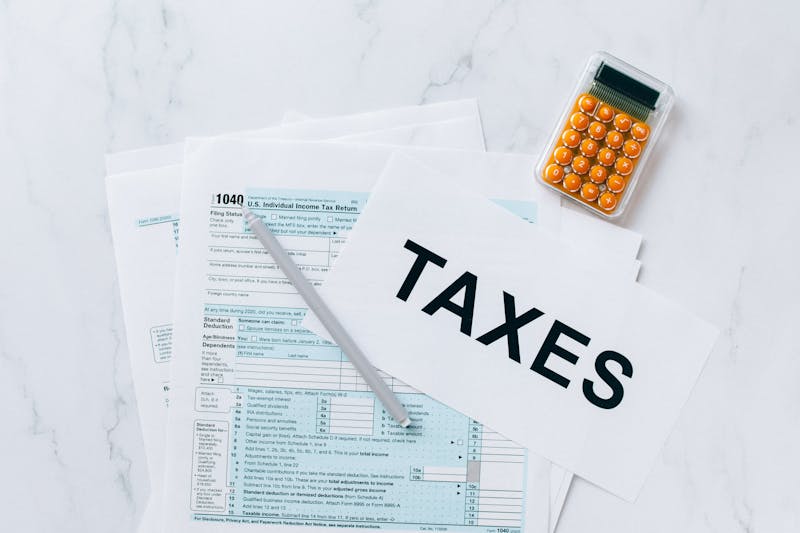
Bookkeeping Red Flags That Trigger FTA Attention in UAE
FTA audits are not random. Selection follows patterns in the data you already file: input VAT that consistently outruns output VAT, bank deposits that do not match declared revenue, supplier TRNs that fail validation, zero-rated sales with no export paperwork behind them.
Seven patterns account for most of it. Each one is below, with what it signals and how to remove it.
Where the Risk Concentrates
High-Volume, High-Risk Industries
F&B, clinics, trading firms, contracting companies and e-commerce brands push thousands of transactions a month. One unresolved flag in that volume is enough to open a full audit.
Industries at highest risk:
Food & Beverage:
Cash handlingMultiple revenue streams (dine-in, delivery, catering)Delivery aggregator commissionsTip managementInventory valuationHealthcare:
Insurance billingMixed VAT treatments (standard, exempt, zero-rated)Complex receivablesProfessional services classificationTrading:
Import/export documentationMulti-currency transactionsTransfer pricing between entitiesMargin declarationsCustoms and VAT reconciliationContracting:
Progress billingSubcontractor managementMaterial vs. labor allocationRetention paymentsProject accountingE-commerce:
Platform sales reconciliationPayment gateway settlementsReturns and refundsInventory across locationsCross-border transactionsOwners search for the best bookkeeping firm near me after the first warning sign, rarely before it.
The FTA Monitoring System
FTA runs automated checks to flag anomalies:
Data sources monitored:
VAT returns submittedBank transaction patterns (via eAML system)Customs import/export dataTrade license activityIndustry benchmarksPrevious audit findingsTaxpayer historyRed flag triggers:
Statistical outliersPattern changesInconsistencies across data sourcesMissing or delayed filingsFrequent amendmentsNegative trendsThe Red Flags FTA Watches Closely
Seven Critical Warning Signs
1. VAT returns with negative values
What triggers FTA:
Input VAT consistently exceeds output VATNegative VAT without reasonable explanationPattern of refund claimsLarge one-time refund requestsLegitimate reasons for negative VAT:
Start-up phase with capital purchasesSeasonal business in low seasonExport-heavy business (zero-rated sales, standard purchases)Project-based business between projectsRed flags within negative VAT:
No supporting documentationPattern doesn't match business typeSudden change from positive to negativeClaims not supported by bank activityFTA response:
Request detailed breakdownDemand invoices and receiptsVerify supplier TRNsCross-check with bank statementsMay delay or deny refundFull audit if suspicious2. Unusual fluctuations in sales or expense patterns
What FTA's system detects:
Sales fluctuations:
Month 1: AED 100,000Month 2: AED 95,000Month 3: AED 400,000 (spike)Month 4: AED 90,000Question: Why the sudden spike in Month 3?
Legitimate explanations:
One-time large projectSeasonal peakDelayed invoicing catch-upNew customer or contractRed flag if:
No documentation for spikePattern of spikes followed by correctionsInconsistent with business modelNot reflected in bank depositsExpense fluctuations:
The same test applies to costs. A jump with no contract, no invoice and no matching bank payment draws the same question.
3. Supplier TRN mismatches
What goes wrong:
Invalid TRN errors:
TRN doesn't exist in FTA systemTRN belongs to different businessTRN deregistered or suspendedTypo in TRN entryImpact:
Input VAT claim invalidFTA automatically flags transactionYour VAT return marked for reviewAudit risk increases significantlyExample:
Claimed AED 50,000 input VAT
20% of invoices have invalid TRNsInvalid claim: AED 10,000FTA response: Deny AED 10,000 + penalty + audit entire returnPrevention:
Validate TRN before recording invoiceUse FTA TRN verification toolMaintain supplier TRN databaseReview regularly for changes4. Missing invoices or incomplete documentation
FTA documentation requirements:
For each VAT claim, you must have:
Valid tax invoiceSupplier name and TRNDate and invoice numberDescription of goods/servicesVAT amount clearly statedPayment proofCommon gaps:
Invoices missingCredit card statements only (not valid)Receipts without VAT detailsHandwritten invoices (risky without proper fields)Invoices without supplier TRNFTA audit scenario:
FTA requests 10 random invoices:
You can provide only 73 are missing or inadequateResult: FTA extrapolates - assumes 30% of all claims invalidDenies proportional VAT + penalties + extends audit5. Bank deposits not matching declared revenue
What FTA compares:
Your VAT return declares: AED 500,000 revenue
Your bank shows: AED 450,000 deposits
Gap: AED 50,000
Questions FTA asks:
Where is the AED 50,000?Held as cash?Paid to personal accounts?Not deposited?Hidden revenue?Legitimate explanations:
Credit sales (invoiced but not yet collected)Post-dated chequesPayment terms (30-60 days)Bank transfers in transitRed flag if:
Pattern of deposits less than revenue without receivables trackingCannot explain specific missing amountsCash-heavy business with low bankingMultiple accounts not declared6. Zero-rated transactions without proof
Zero-rated vs. Exempt (critical difference):
Zero-rated:
ExportsInternational transportCertain healthcare and educationRequires documentationInput VAT recoverableExempt:
Residential propertyLocal passenger transportBare land salesInput VAT NOT recoverableRed flag:
Claiming zero-rated sales without required evidence:
Export example:
Claim AED 200,000 zero-rated export salesCannot provide: - Export customs declarations
- Shipping documents
- Customer evidence of receipt abroad
- Payment from foreign customer
FTA response:
Reclassify as standard-rated or exemptDemand unpaid VATPenalties for incorrect filingFull auditPrevention:
Understand zero-rating requirements preciselyMaintain complete documentationGet professional advice before claimingFile conservatively when uncertain7. Frequent manual adjustments inside the books
What raises suspicion:
Adjustment patterns:
Monthly journal entries correcting revenueFrequent reclassifications of expensesRepeated reversals of transactionsLarge unexplained adjustmentsPeriod-end adjustments to "fix" VATFTA interpretation:
Poor controlsManipulated numbersCorrecting mistakes after the factPossible fraud or evasionLegitimate adjustments:
Accruals and provisionsDepreciationForeign exchange revaluationCorrection of genuine errorsRed flag if:
Adjustments lack documentationAdjustments always benefit taxpayerPattern of adjusting to achieve specific outcomeAdjustments not reflected in source documentsHow FTA Selects Files for Audit
The Risk-Based Approach
FTA looks for consistency. Numbers that move without an explanation read as weak controls first and avoidance second. The burden of proof sits with you.
Audit selection process:
Low risk (unlikely audit):
Consistent patternsComplete documentationTimely filingsNo amendmentsIndustry-typical ratiosClean historyMedium risk (possible audit):
Minor inconsistenciesOccasional late filingsSome amendmentsExplainable variancesFew red flagsHigh risk (likely audit):
Multiple red flagsInconsistent patternsPoor documentationFrequent amendmentsSuspicious behaviorPrior audit findingsAudit depth:
Desk audit:
Document requestsExplanation lettersMay be resolved remotelyField audit:
FTA visits premisesReviews systems and controlsInterviews staffExamines source documentsCan last weeks or monthsWhat Each Red Flag Signals
1. VAT Inconsistency
What FTA infers:
Claiming more input VAT than entitledNot declaring all output VATManipulating timing to benefit cash flowPossible fraudPrevention:
Monthly VAT reconciliationInvoice-level validationProper VAT code mappingProfessional review before filing2. Bank Mismatches
What FTA infers:
Cash revenue not depositedPersonal and business mixingHidden incomePoor record-keepingTax avoidance potentialPrevention:
Daily bank reconciliationSeparate business and personal accountsTrack all revenue sourcesDocument receivables agingMaintain cash logs if applicable3. Supplier TRN Errors
What FTA infers:
Fictitious suppliersNon-compliant suppliersCareless record-keepingInvalid VAT claimsPrevention:
Verify TRNs before recordingMaintain supplier databaseRegular updates to TRN validityRequest updated TRN certificates annually4. Cash Handling Issues
What FTA infers:
Untracked revenuePotential theft or skimmingTax evasionPoor controlsPrevention:
Minimize cash transactionsDaily cash reconciliationDual custody of cashImmediate bankingComplete documentation5. Zero-Rated Transactions Without Evidence
What FTA infers:
Incorrect VAT treatmentAvoidance of VAT on taxable suppliesLack of knowledgePotential fraudPrevention:
Understand zero-rating rules preciselyObtain and retain all required documentsReview export procedures regularlySeek professional adviceReal Examples
Restaurant Flagged for Missing Delivery Reports
Situation:
Restaurant using Talabat, Deliveroo, Noon FoodRevenue declared: Based on cash register onlyPlatform revenue: Not properly includedFTA discovery:
Bank deposits include platform settlementsVAT return doesn't match bank depositsGap: AED 150,000 annual platform revenue not declaredFTA response:
Demand corrected VAT returns for past periodsAssess penalties and interestFull audit of all revenue streamsResolution:
Corrected VAT returns filed for the affected periodsPenalties and interest assessed on the underdeclared VATAggregator settlement reports now reconciled to the bank every monthClinic with Rejected VAT Claims
Situation:
Clinic claimed AED 80,000 input VAT over 6 monthsFTA audit requested supporting invoicesDiscovery:
30% of invoices had invalid supplier TRNs20% of invoices missing entirely15% of invoices insufficient documentationFTA response:
Denied 65% of input VAT claimsAmount repayable: AED 52,000Penalties and interest on top of the repaymentMonthly review of returns for the following yearTrading Firm with Incorrect Import VAT
Situation:
Trading firm importing goodsImport VAT documentation incompleteIssues:
Customs declarations missingVAT payment receipts missingUnable to prove import VAT paidFTA response:
Denied input VAT recoveryAssessed additional output VAT on salesTotal liability: AED 120,000, before penalties and interestHow Ratio Clears These Flags
The Compliance Programme
1. VAT Cleanup and Correction
Review all VAT entriesCorrect misclassificationsReconcile VAT to source documentsPrepare supporting schedulesFile amendments if needed2. Bank and POS Reconciliation
Daily transaction matchingWeekly reconciliationMonthly close processComplete documentationDiscrepancy investigation3. Supplier and Customer Validation
Verify all supplier TRNsRequest updated certificatesReconcile supplier statementsClean customer master dataMaintain accurate records4. Ledger Correction
Review all general ledger accountsReclassify incorrectly posted itemsCorrect VAT codingAdjust balancesDocument all corrections5. Documentation Review
Organize all invoices and receiptsFill documentation gapsEstablish filing systemImplement retention policyTrain staff on requirementsChecklist
Red Flag Elimination
Immediate Actions:
[ ] Match VAT return to sales and purchase invoices[ ] Reconcile bank deposits to declared revenue[ ] Validate all supplier TRNs[ ] Organize and file all supporting documents[ ] Correct any identified ledger errors[ ] Review zero-rated transactions for proper documentation[ ] Eliminate unnecessary manual adjustments[ ] Implement monthly reconciliation processOngoing Compliance:
[ ] Monthly VAT validation before filing[ ] Weekly bank reconciliation[ ] Supplier TRN verification for new suppliers[ ] Document retention and organization system[ ] Regular ledger review and cleanup[ ] Staff training on VAT and documentation[ ] Professional review of returns before submissionConclusion
Every flag on this list is preventable. Each one traces back to the same three causes: records kept late, accounts never reconciled, and VAT filed without review.
Fix those and the flags disappear. Leave them and the outcome is an assessment, penalties, interest and months of your finance team answering FTA correspondence instead of running the business.
Fix the books before FTA reads them.
Get Expert Support
Ratio runs monthly compliance for UAE businesses as the best bookkeeping firm near me for owners who want the flags gone.
Our Red Flag Elimination Service:
Full bookkeeping auditVAT compliance review and correctionBank and transaction reconciliationSupplier TRN validationDocumentation organizationMonthly compliance monitoringFTA liaison if neededConnect with Ratio to close the gaps before an audit finds them.